What the Bible Really Teaches About Self-Control

Self-control is often misunderstood.
Some people think it means being emotionless. Others think it means forcing yourself to stay quiet no matter what is happening inside. Still others see it as personality-based, something a naturally calm person has and a more emotional person lacks.
But the Bible presents self-control differently.
Self-control is not fake calmness.
It is not coldness.
It is not suppression.
And it is not merely strong willpower.
Biblically, self-control is the Spirit-shaped ability to govern yourself in a way that honors God.
Bible Verse
Galatians 5:22–23 (KJV)
“But the fruit of the Spirit is love, joy, peace, longsuffering, gentleness, goodness, faith, Meekness, temperance: against such there is no law.”

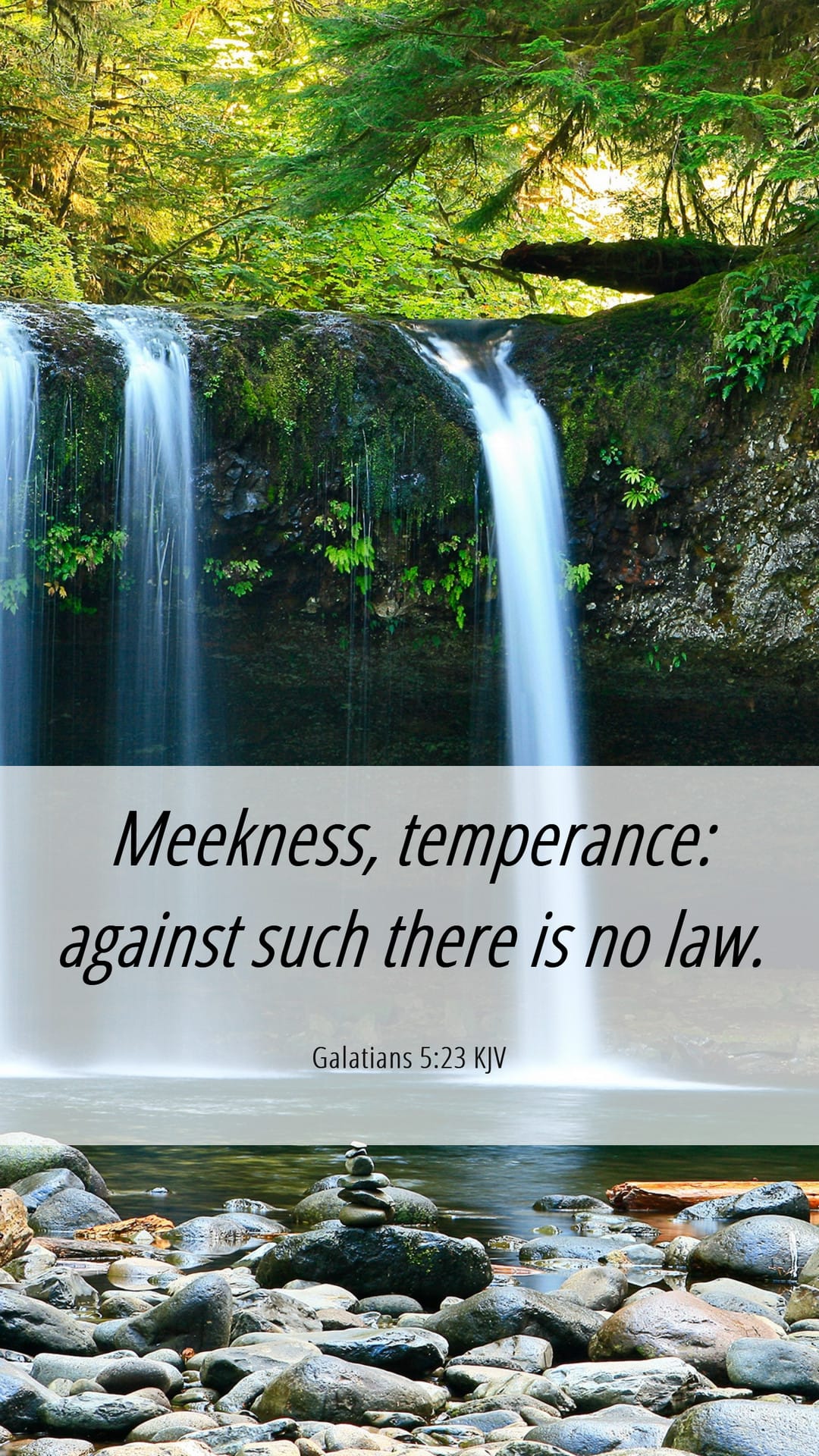
That word temperance points to self-control.
And notice how it is described: as part of the fruit of the Spirit.
That means self-control is not meant to be a self-made performance. It is the result of a life increasingly yielded to God.
Self-Control Is Not the Absence of Feeling
The Bible never teaches that spiritual maturity means you stop feeling deeply.
You may still feel anger.
Still feel sorrow.
Still feel temptation.
Still feel disappointment, fear, hurt, or frustration.
The issue is not whether those things exist.
The real issue is whether they rule you.
A person with self-control is not someone who never feels anything. It is someone who has learned not to let every feeling immediately become speech, tone, action, or decision.
That is important because many believers quietly think they are failing spiritually simply because they feel strongly. But feeling is not the failure. Unchecked surrender to those feelings is where the danger begins.
Self-Control Begins in the Heart
Biblical self-control is not just behavior management. It begins deeper than that.
It begins with surrender.
You bring anger to God before bringing it to people.
You bring temptation to God before letting it turn into action.
You bring pride to God before it hardens your tone.
You bring your urgency to God before it becomes impulsive speech.
This matters because many people focus on controlling the outside while leaving the inside unexamined. But eventually, whatever is living in the heart will leak.
That is why the Bible emphasizes transformation, not just restraint. God wants to shape the soul.
Self-Control Touches Every Area of Life
Sometimes people limit self-control to obvious sins, but Scripture points to something broader.
Self-control matters in:
- speech
- anger
- appetites
- thoughts
- sexual purity
- money
- reactions
- timing
- digital habits
- emotional responses
It touches everyday life.
Can you pause before replying?
Can you say no to what is unwise?
Can you guard your tone when stressed?
Can you step back when anger rises?
Can you resist the urge to prove yourself in every moment?
These are not small things. They are part of living a disciplined, Spirit-led life.
Self-Control Is Not Legalism
Another misunderstanding is that self-control is just rigid rule-keeping.
But biblical self-control is not lifeless discipline for the sake of appearance. It is freedom from being ruled by whatever rises inside you or pulls on you from the outside.
Without self-control, you are easily led by impulse.
With self-control, you are increasingly able to choose what is right, wise, and honoring.
That is not bondage. That is freedom.
A person without self-control is often pushed around by appetite, mood, emotion, insecurity, and pressure. A person growing in self-control becomes steadier. Not perfect right away, but steadier.
That steadiness is a gift.
Jesus Shows Us What Self-Control Looks Like
Jesus was never ruled by impulse.
He was never dragged around by the moods of other people. Never manipulated into careless speech. Never pressured into losing composure. He felt deeply, but He was always governed.
He knew when to speak.
When to stay silent.
When to confront.
When to withdraw.
When to answer softly.
When to answer firmly.
That is self-control in its purest form.
Not coldness.
Not distance.
Not passivity.
But perfect alignment under the Father’s will.
As believers, that is the direction of our growth. Not flawless performance, but increasing resemblance.
What Self-Control Looks Like in Real Life
Self-control may look like:
- stopping before you send the message
- refusing to let hurt choose your tone
- choosing not to revisit a temptation
- pausing long enough to pray
- saying no to an appetite that is ruling you
- speaking less when your emotions are high
- being honest without becoming harsh
In all of this, self-control is not about appearing impressive. It is about becoming governed.
That is a very different goal.
Final Thought
What the Bible really teaches about self-control is deeper than “try harder.”
Self-control is a fruit of God’s Spirit at work in a surrendered life. It does not mean you stop feeling. It means you stop letting every feeling lead. It does not mean you become rigid. It means you become freer from being ruled by impulse.
And that kind of freedom is beautiful.
Because a person who is learning self-control becomes safer, steadier, wiser, and more reflective of Christ.
Reflection Questions
- Do I tend to think of self-control as suppression or surrender?
- In what area of life do I need self-control most right now?
- What feelings or appetites most often try to rule me?
- What would it look like to depend more on the Holy Spirit and less on sheer willpower?
Closing Prayer
Dear Lord,
Please teach me true self-control. Help me not to be ruled by impulse, emotion, or appetite, but by Your Holy Spirit.
Grow in me the fruit of temperance, and make my life steadier, wiser, and more reflective of Christ.
In Jesus’ name, amen. 🙏