Guarding the Tongue in Everyday Life

Few things reveal the condition of the heart faster than the tongue.
Words come out quickly. Tone shifts fast. Reactions slip through before wisdom fully arrives. That is why speech matters so much in the Christian life. The tongue may be small, but it leaves a very large trail behind it.
Scripture does not treat careless speech as a minor issue. Both Proverbs and James speak about it with striking seriousness. Why? Because words shape relationships, expose the heart, and affect our witness in everyday life.
Bible Verse
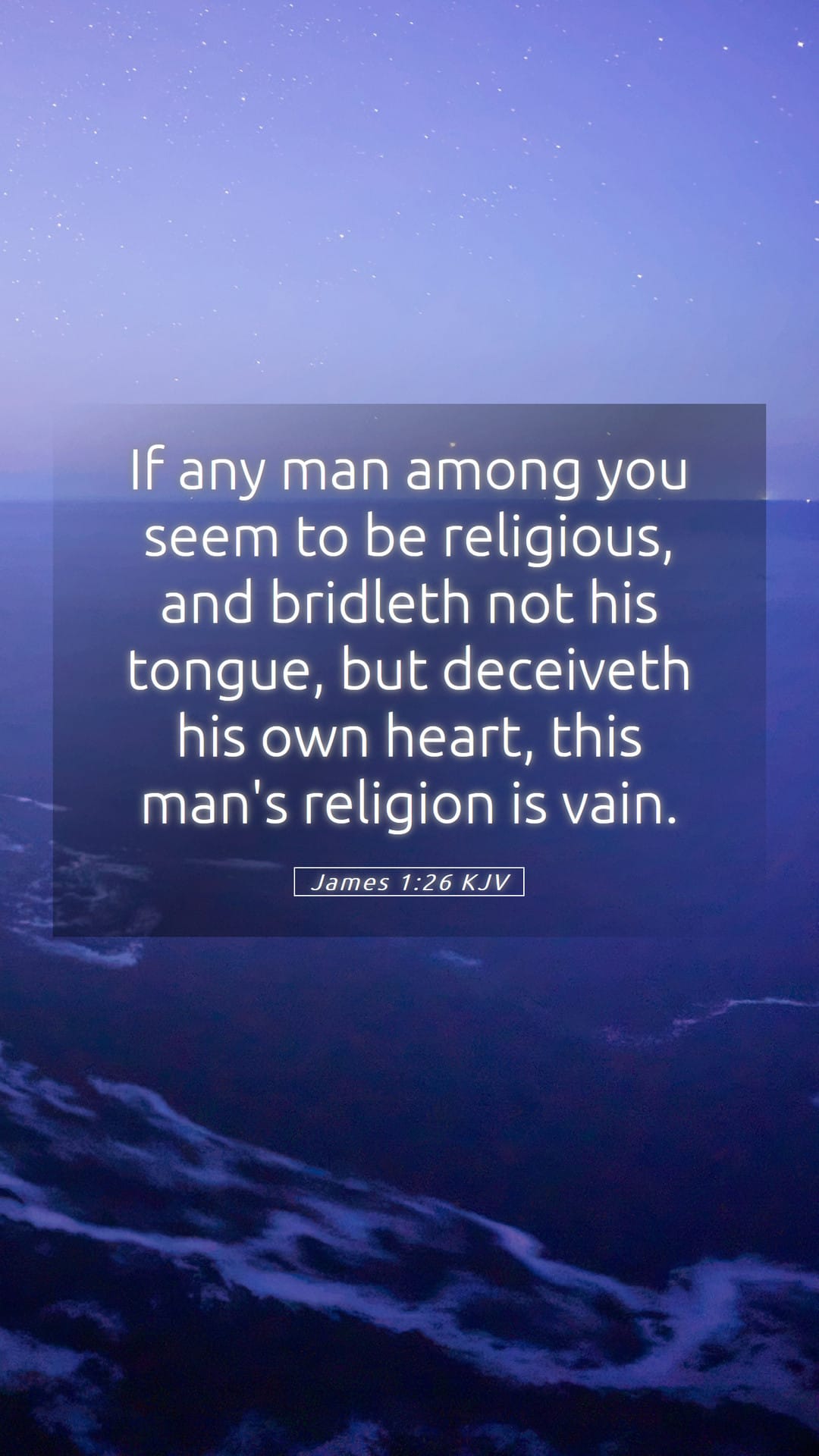
James 1:26 (KJV)
“If any man among you seem to be religious, and bridleth not his tongue, but deceiveth his own heart, this man’s religion is vain.”
💡 That verse is sobering.
It tells us that speech is not separate from spirituality. You cannot claim devotion to God while refusing to deal with the way you talk. An unbridled tongue reveals a disconnect between outward religion and inward transformation.
That is why guarding the tongue matters.
Proverbs Treats Speech as a Matter of Wisdom
The book of Proverbs repeatedly links speech with wisdom or foolishness.
Wise people do not merely know more. They speak differently.
Measured words.
Less explosive.
Less careless.
Less eager to say everything they think.
Fools, by contrast, pour everything out. They react quickly, talk too much, stir conflict, and use speech without restraint.
This matters because Proverbs teaches that words are not neutral. They either nourish peace or stir trouble. They either preserve relationships or weaken them. They either protect your life or complicate it.
A wise person learns that not every thought deserves expression.
James Shows How Dangerous the Tongue Can Be
James is especially direct about speech because he understands how destructive it can become.
A small spark can set a large fire. A few careless words can do real damage. One moment of verbal sharpness can bruise trust that took years to build.
That is why James speaks of bridling the tongue. A bridle is not total silence. It is control. Direction. Government.
In other words, your mouth should not be free to run wild.
That is strong language, but necessary language. Because many troubles begin not with major crimes, but with ungoverned speech:
- sarcasm
- gossip
- harsh correction
- sharp tone
- careless joking
- angry reactions
- unnecessary opinions
- prideful words
These things may seem normal in everyday life, but Scripture takes them seriously.
Everyday Life Is Where Tongue Problems Usually Happen
Most speech failures do not happen in dramatic settings. They happen in ordinary life.
At home when patience runs thin.
At work when pressure rises.
In text messages when tone disappears.
In marriage when irritation builds.
In parenting when exhaustion is high.
Online when quick reactions feel justified.
That is why guarding the tongue cannot be just a church idea. It has to become an everyday discipline.
What good is a careful voice in public if your speech is cutting at home? What good is biblical knowledge if your tone regularly wounds the people nearest to you?
Everyday life is where the tongue reveals its true habits.
Guarding the Tongue Requires More Than Silence
Some people think the solution is simply to talk less. That can help, but silence alone is not enough.
You can say little and still carry a harsh spirit.
You can avoid words while storing resentment.
You can stay outwardly quiet while inwardly rehearsing bitterness.
Guarding the tongue is not merely about reducing volume. It is about bringing the heart under God’s rule.
If the heart is proud, the tongue will leak pride.
If the heart is angry, the voice will carry edge.
If the heart is insecure, words will often become defensive.
That is why real change begins beneath the mouth.
What Guarded Speech Looks Like
Guarding the tongue in everyday life may look like:
- pausing before answering
- refusing gossip even when it feels interesting
- lowering your tone instead of raising it
- choosing clarity over sarcasm
- not speaking while anger is still ruling you
- asking whether your words are helping or harming
- deciding that some things do not need to be said at all
These practices may feel small, but they are deeply spiritual. They reflect self-control, humility, wisdom, and love.
And over time, they shape the kind of person you become.
Final Thought
Proverbs and James agree on something essential: your tongue matters more than you think.
Your speech reveals your heart. It affects your peace. It shapes your relationships. It strengthens or weakens your witness.
That is why guarding the tongue cannot be treated as a minor part of discipleship. It is central.
So in everyday life, do not only ask whether your words are true. Ask whether they are bridled, wise, gracious, and necessary.
Because a guarded tongue is one of the clearest signs of a maturing heart.
Reflection Questions
- In what settings is my tongue hardest to guard?
- Do I take speech as seriously as Scripture does?
- How has careless speech affected my relationships?
- What daily habit would help me guard my tongue more faithfully?
Closing Prayer
Dear Lord,
Please put a bridle on my tongue and wisdom in my heart. Help me take my words seriously and guard my speech in everyday life.
Keep me from careless talk, harsh tone, and speech that weakens my witness.
Let my words be shaped by Your truth, grace, and peace.
In Jesus’ name, amen. 🙏