A Soft Answer in Hard Moments

Hard moments have a way of pulling hard responses out of us.
A sharp tone.
A disrespectful comment.
A tense conversation.
A misunderstanding that feels unfair.
A person who seems determined to push every button you have.
In those moments, softness rarely feels natural.
What feels natural is defending yourself quickly. Correcting forcefully. Matching tone with tone. Making sure the other person knows exactly how wrong they were. But that instinct, while understandable, often makes hard moments harder.
That is why a soft answer is so powerful.
A soft answer is not weakness. It is not pretending nothing is wrong. It is not refusing to address an issue. It is strength with its voice under control.
Bible Verse
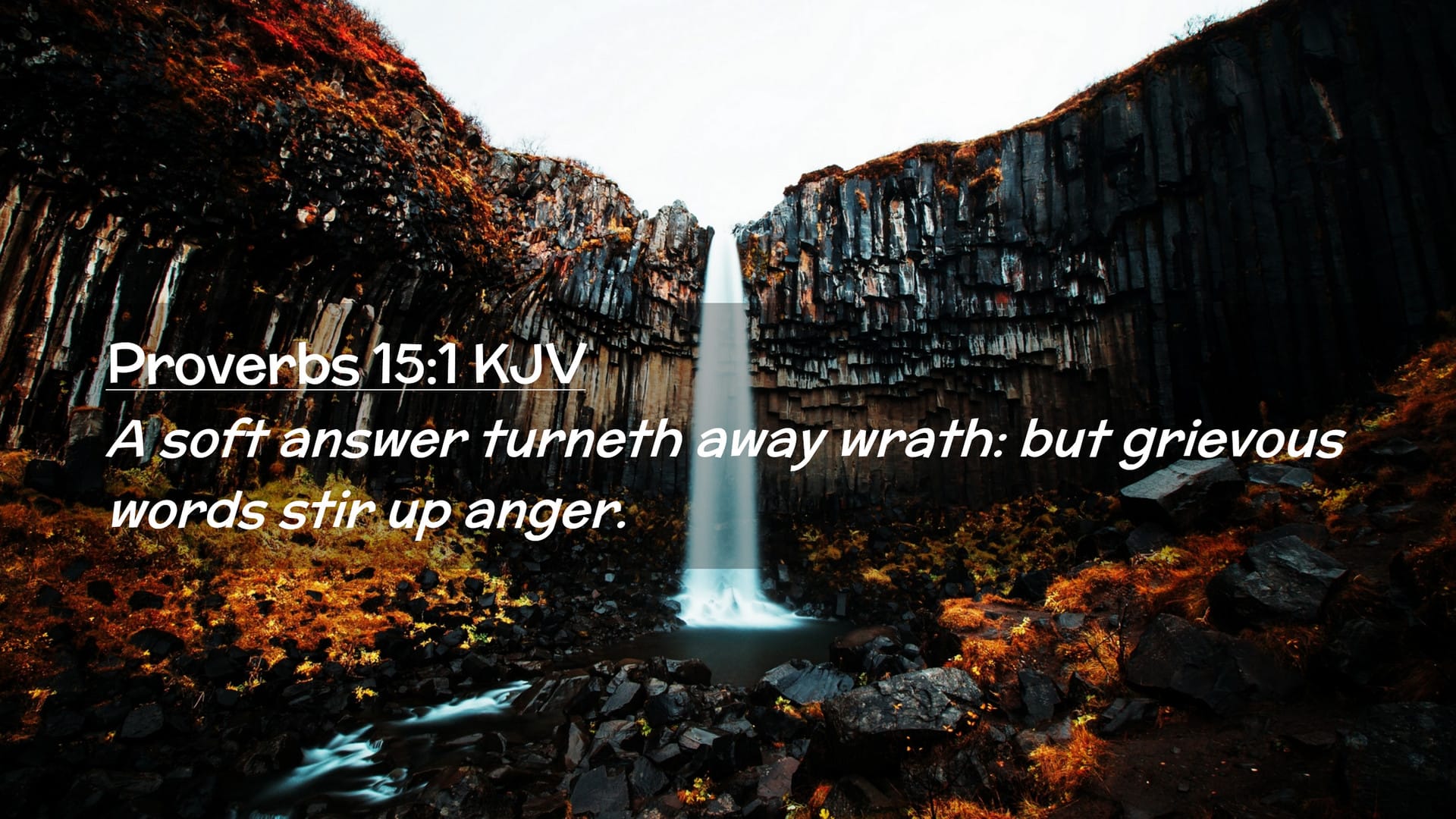
Proverbs 15:1 (KJV)
“A soft answer turneth away wrath: but grievous words stir up anger.”

That verse is simple, but it is deeply practical. It tells us that the spirit in which something is said often determines whether tension rises or begins to settle.
💡 A soft answer does not always solve everything immediately. But it changes the atmosphere. It interrupts the cycle of escalation. It gives a hard moment a chance to breathe.
Why Hard Moments Pull Harshness Out of Us
When pressure rises, most people do not automatically become gentle. They become reactive.
If you feel attacked, you want to protect yourself.
If you feel misunderstood, you want to prove your point.
If you feel disrespected, you want to push back.
If you feel wounded, you may want the other person to feel the weight of that wound.
That is why soft answers require intentionality. They do not usually appear by accident. They are chosen.
And they are often chosen in the small space between feeling and speaking.
That space matters.
A soft answer usually begins before words. It begins with a pause. A breath. A moment where you decide that even if the situation is difficult, your response does not have to become destructive.
Soft Does Not Mean Weak
Many people resist this idea because they confuse soft with passive.
👉 But Scripture does not say a soft answer is a powerless answer. It says it is an effective one.
There is a difference.
Weakness avoids truth.
Softness carries truth carefully.
Weakness says nothing because it is afraid.
Softness speaks with restraint because it is wise.
Weakness lets wrong continue unchecked.
Softness addresses wrong without becoming wrong in the process.
You can say something very necessary in a very gentle way. You can be clear without being cutting. You can be firm without being fleshly. You can protect truth without surrendering your tone to anger.
That is one of the marks of maturity.
Hard Moments Reveal What Is Governing You
Anyone can sound patient in easy conversations. Hard moments reveal what governs the heart.
If anger governs you, it will show in your tone.
If pride governs you, it will show in your need to win.
If fear governs you, it will show in defensiveness.
💡 But if grace governs you, it will begin to show even under pressure.
This is why a soft answer is not just a communication skill. It is spiritual evidence. It shows that your mouth is not simply responding to the moment. It is being shaped by something deeper.
That does not mean you always get it right. But it does mean you are learning not to let every emotion choose your words.
What a Soft Answer Sounds Like
A soft answer may sound like:
“I want to talk about this, but not harshly.”
“I hear your frustration.”
“Let me slow down before I answer.”
“I do not want to make this worse.”
“Help me understand what you mean.”
“I may disagree, but I want to respond carefully.”
These kinds of answers do not deny tension. They simply refuse to pour fuel on it.
That is why they are so valuable in marriage, parenting, leadership, friendship, church life, and conflict. They protect dignity while keeping the door open for clarity.
Why Grievous Words Are So Damaging
The second half of Proverbs 15:1 matters too.
Grievous words stir up anger.
Some words are not just truthful or untruthful. They are painful in the way they land. They are loaded with irritation, sarcasm, contempt, or force. Even when the content is partly right, the spirit behind it can provoke more heat than healing.
That is why harshness is dangerous. It may feel satisfying for a moment, but it often leaves behind a bigger mess than the original issue.
A sharp answer may give quick relief.
A soft answer usually gives long-term strength.
Softness Requires Inner Strength
A soft answer does not begin with better vocabulary. It begins with a steadier heart.
💡 If you want softer answers, you need more than nicer wording. You need God to calm what rises inside you before it spills out through your mouth.
That means:
- slowing down when you feel triggered
- refusing to let urgency control your voice
- praying before answering when emotions are high
- caring more about peace than proving your point
- remembering that the other person’s tone does not have to become your standard
This is not always easy. But it is deeply worth it.
Final Thought
A soft answer does not mean the moment is easy. It means you are choosing not to let the moment decide your character.
Hard moments will come. People will test your patience. Conversations will get tense. Misunderstandings will happen. But in those moments, you still have a choice.
You can answer with force and stir more anger.
Or you can answer with softness and give peace a chance to enter.
That is not weakness.
That is wisdom speaking gently in a hard moment.
Reflection Questions
- In what kinds of hard moments am I most tempted to answer harshly?
- Do I confuse softness with weakness?
- How would my relationships change if I practiced softer answers more consistently?
- What current situation needs a softer response from me?
Closing Prayer
Dear Lord,
Please teach me how to answer softly in hard moments. When I feel pressure rising, please help me slow down and choose words that bring peace instead of more pain.
Please guard my tone, calm my heart, and let my responses reflect Your wisdom and grace.
In Jesus’ name, amen. 🙏