Why Immediate Reactions Usually Cost More Than They Solve

Immediate reactions feel powerful.
Someone says something disrespectful, and you answer quickly.
A message frustrates you, and you fire one back.
You feel misunderstood, and immediately begin defending yourself.
Anger rises, and words follow before wisdom has time to catch up.
For a moment, reacting can feel satisfying.
You said what you wanted to say.
You defended yourself.
You released the pressure.
But then comes the cost.
The conversation becomes worse.
The other person becomes defensive.
Your tone becomes the new issue.
And later, you find yourself thinking:
I should have waited.
💡 Immediate reactions often provide a few seconds of emotional relief while creating consequences that last much longer.
Reaction Thinks About Now. Wisdom Thinks About Later.
When emotions are high, we naturally focus on the present moment.
We want relief now.
We want to be understood now.
We want the situation corrected now.
Wisdom thinks differently.
Proverbs 29:11 (KJV)
“A fool uttereth all his mind: but a wise man keepeth it in till afterwards.”

Notice that wisdom does not necessarily mean never speaking.
It means “till afterwards.”
There may be a right response. There may be something important that needs to be said. But the right message delivered at the wrong emotional moment can still create damage.
Sometimes waiting is what allows truth to come out without anger carrying it.
Immediate Reactions Often Create a Second Problem
You may begin with one problem.
Someone hurt your feelings.
A disagreement happened.
A mistake was made.
But then you react harshly.
Now there are two problems.
👉 The original issue still exists, but now there is also your tone, your words, or your reaction to deal with.
This is how small conflicts become large ones.
Scripture warns us:
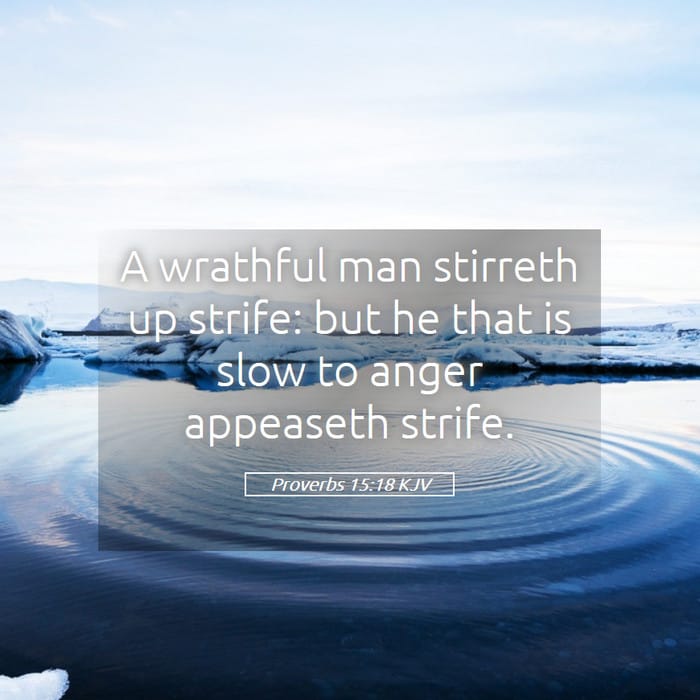
Proverbs 15:18 (KJV)
“A wrathful man stirreth up strife: but he that is slow to anger appeaseth strife.”
Being slow to anger does something powerful.
It stops adding fuel.
You may not be able to control another person’s words, behavior, or attitude. But you can choose whether you will multiply the conflict through your response.
💡 Sometimes the most mature thing you can do is refuse to create the second problem.
The Pause Protects What Reaction Forgets
Immediate emotion thinks about expression.
The pause thinks about consequences.
Before reacting, ask:
- Will I still be glad I said this tomorrow?
- Am I trying to solve something or just release frustration?
- Will these words bring clarity or more confusion?
- Am I responding to what actually happened or to what I assumed happened?
- Can this wait until I am calmer?
Even a few seconds can make a difference.
Sometimes the wisest response is:
“I need a minute.”
Sometimes it is:
“Let me think about that.”
And sometimes it is simply silence until your heart settles.
Slow Down Enough to Hear
One of Scripture's clearest instructions for difficult moments is beautifully simple:
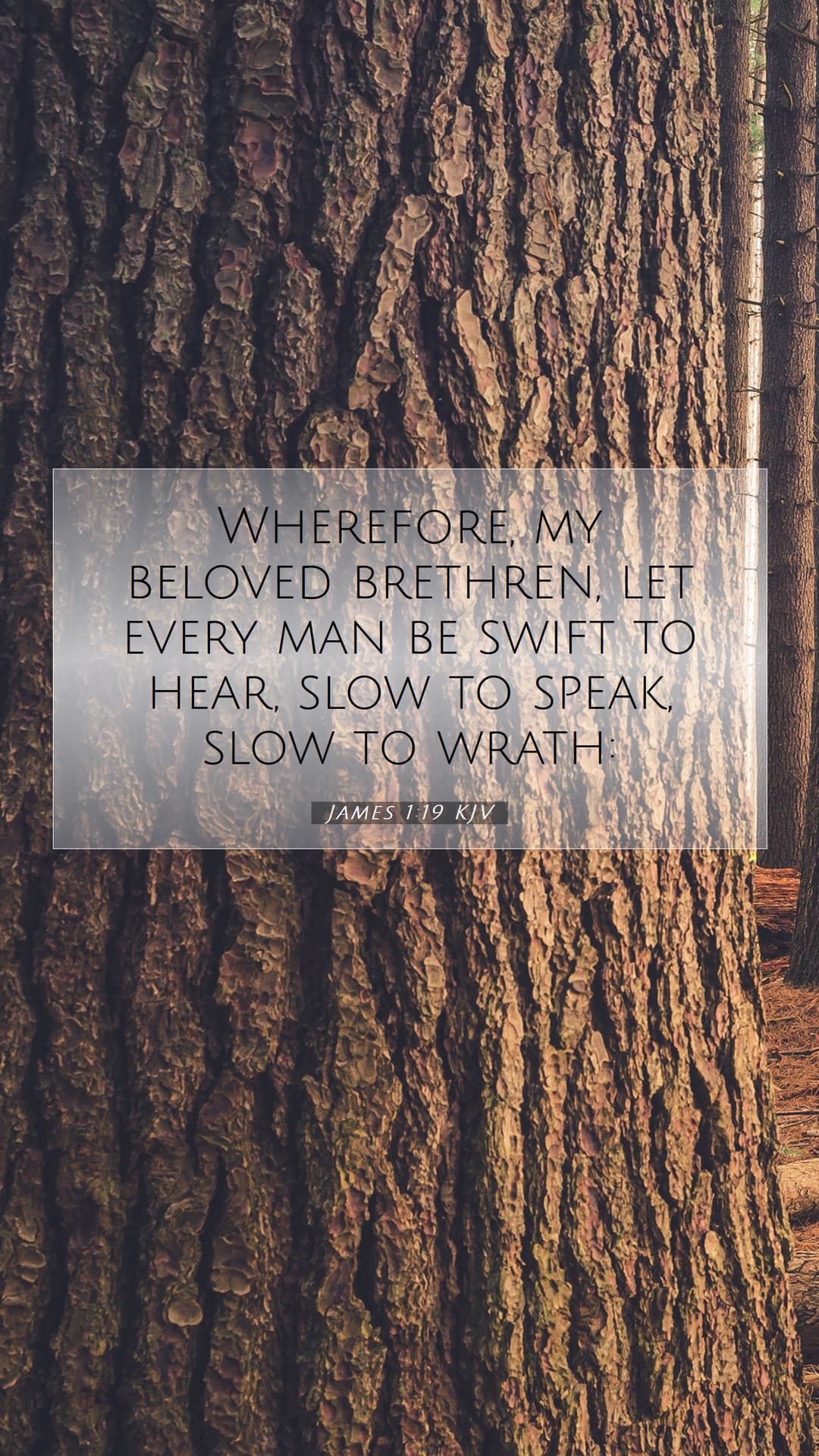
James 1:19 (KJV)
“Wherefore, my beloved brethren, let every man be swift to hear, slow to speak, slow to wrath:”
Our natural tendency is often the reverse.
Swift to wrath.
Swift to speak.
Slow to hear.
But spiritual maturity changes the order.
Listen first.
Slow down.
Then respond.
💡 That rhythm protects relationships because it gives you time to understand before defending, pray before answering, and separate truth from emotional urgency.
A Delayed Response Is Not a Weak Response
Waiting does not mean you are afraid.
It does not mean the other person was right.
It does not mean you are ignoring the issue.
It does not mean you will never respond.
It means you refuse to let emotion determine the timing.
There is strength in being able to say:
“This matters enough that I want to respond well.”
That is very different from avoidance.
It is restraint.
Final Thought
Immediate reactions usually promise something they cannot deliver.
They promise relief, control, and resolution. But too often they produce regret, escalation, and damaged trust. The pause may feel uncomfortable, but it gives wisdom room to enter.
So when emotion tells you, “Answer now,” remember that you are allowed to wait. A problem that took five seconds to create can sometimes take months to repair.
Give yourself the few extra seconds.
Pause.
Listen.
Pray.
Then respond.
Because the response you delay today may be the regret you never have to carry tomorrow.
Reflection Questions
- What situations cause me to react most quickly?
- Have I ever created a second problem through the way I responded to the first?
- What usually happens when I give myself time before answering?
- Is there something right now that I need to respond to more slowly?
Closing Prayer
Dear Lord,
Please slow me down when my emotions demand an immediate response. When I feel hurt, frustrated, misunderstood, or angry, please help me resist the urge to speak before wisdom has had time to guide me.
Teach me to listen before I answer, to pray before I react, and to think beyond the emotion of the moment. Please give me discernment to know when something needs to be said, when it needs to wait, and when silence is the wiser response.
Lord, please guard my mouth when my heart is unsettled. Keep me from saying words that may bring temporary relief but leave lasting wounds. Help me remember that I cannot always take back what I say, and please give me the strength to choose restraint over impulse.
Protect my relationships from unnecessary conflict. When I am tempted to defend myself immediately, please remind me that I do not have to prove myself in every moment. When anger rises, please give me patience. When pride rises, please give me humility. When I feel misunderstood, please give me peace.
Help my words reflect Your grace rather than my frustration. Let my responses bring clarity instead of confusion, peace instead of strife, and healing instead of hurt.
Please give me a heart that is slow to anger, quick to listen, and willing to wait for Your wisdom. May my words honor You, and may even my silence be guided by You.
In Jesus’ name, amen. 🙏