Offense Has Become a Lifestyle. Peace Has to Become a Discipline

We live in a time where offense comes easily.
People are offended by tone.
Offended by opinions.
Offended by disagreement.
Offended by being overlooked.
Offended by correction.
Offended by what was said, what was not said, how it was said, and sometimes what was merely assumed.
👉 Offense is everywhere.
In many ways, it has become normal. Even expected. Some people move through life almost looking for reasons to feel slighted, insulted, or wronged. And when offense becomes common long enough, it can quietly become a lifestyle.
That is dangerous.
Because when offense becomes a lifestyle, peace rarely remains.
Living Offended Changes a Person
Being offended once in a while is part of being human. People are imperfect. Words can wound. Tone can sting. Misunderstandings happen. Not every hurt is imaginary.
But living offended is different.
A lifestyle of offense means your heart is always leaning toward irritation, suspicion, defensiveness, and reaction. You begin expecting disrespect. You assume bad motives quickly. You interpret small moments through a lens of injury.
Over time, that posture changes you.
It makes you quicker to react.
Quicker to judge.
Quicker to withdraw.
Quicker to escalate.
Slower to listen.
Slower to forgive.
Slower to believe the best.
And eventually, peace starts feeling unnatural because your inner world has been trained for tension.
Offense Feels Powerful, But It Is Costly
Part of the reason offense becomes a lifestyle is because it can feel powerful in the moment.
It makes you feel justified.
Morally certain.
Emotionally charged.
Ready to defend yourself.
But that feeling comes at a cost.
Offense can rob you of:
- peace of mind
- relational trust
- emotional steadiness
- spiritual clarity
- the ability to respond with grace
It also narrows your perspective. Once offense takes over, it becomes harder to see situations clearly. Everything starts passing through a filter of self-protection.
The result is that you may be sincere, but still unwise.
Peace Does Not Usually Happen by Accident
Many people want peace, but do not realize that peace requires training.
Peace is not just a personality trait.
It is not just the absence of conflict.
And it is not simply something you feel when everyone around you behaves well.
Real peace is a discipline.
It is built through repeated choices:
- to pause before reacting
- to not assume the worst too quickly
- to refuse unnecessary escalation
- to guard your thoughts
- to lower your tone
- to release what does not need to be carried
- to value understanding over instant judgment
In other words, peace has to be practiced.
If offense comes naturally, peace must be pursued deliberately.
Bible Verse That Speaks to This
Here is a powerful verse that speaks directly to the discipline of peace:
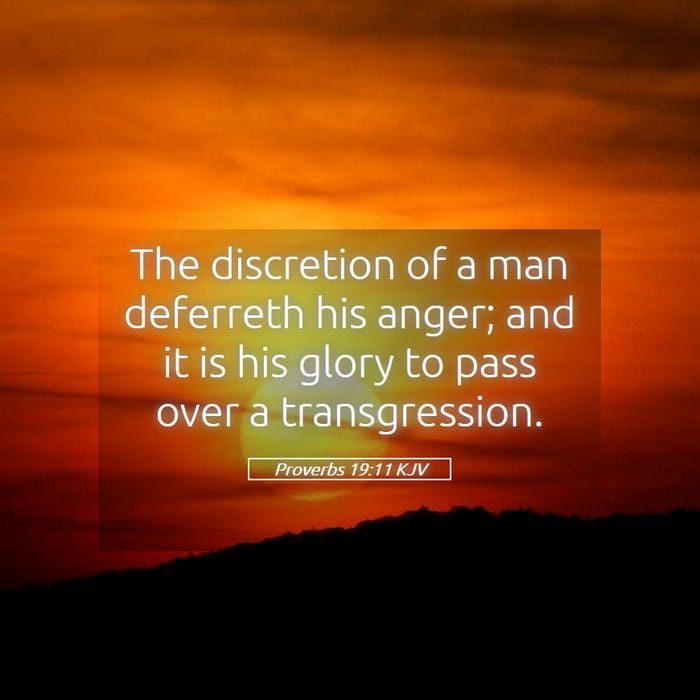
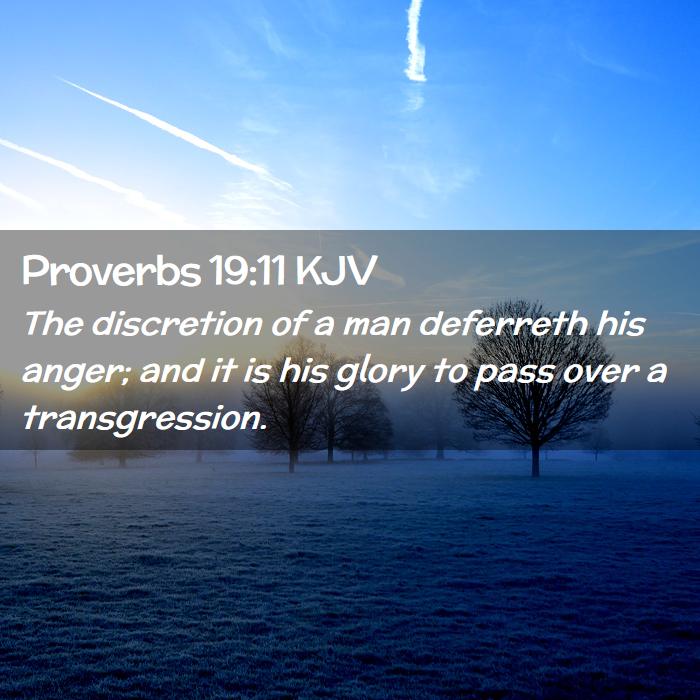
Proverbs 19:11 (KJV)
“The discretion of a man deferreth his anger; and it is his glory to pass over a transgression.”

That verse cuts against modern instinct.
It says discretion delays anger.
It says glory is found in passing over a transgression.
Not every offense needs to be magnified.
Not every irritation needs to become a confrontation.
Not every slight deserves emotional residence in your heart.
Sometimes strength looks like letting something go.
Not because it did not matter at all, but because peace matters more.
A Heart Trained in Offense Sees Danger Everywhere
When offense becomes habitual, even neutral situations can start feeling personal.
A short message feels rude.
A forgotten reply feels rejecting.
A correction feels insulting.
A disagreement feels threatening.
A different opinion feels like an attack.
This is why a lifestyle of offense becomes exhausting. It turns ordinary life into constant emotional friction.
You end up carrying tension into conversations that did not require it. You spend energy protecting yourself from things that may not have been aimed at you in the first place.
And even when someone truly was wrong, constant offense often leads to disproportionate response.
That is why peace must become a discipline. It retrains the heart to slow down before concluding, reacting, or assuming.
Peace Requires Inner Strength
Peace is often misunderstood as passivity. It is not.
Peace is not weakness.
It is not pretending nothing happened.
It is not avoiding all hard conversations.
Peace is strength under control.
It takes strength to stay calm when your emotions want speed.
It takes strength to listen when pride wants to interrupt.
It takes strength to ask questions when insecurity wants to assume.
It takes strength to let go of minor offenses instead of collecting them.
A peaceful person is not someone who never feels irritation. A peaceful person is someone who has learned not to let irritation become identity.
Discipline Means Choosing a Better Way Repeatedly
If offense has become easy for you, peace will probably feel unnatural at first.
You may have to discipline yourself to:
- stop replaying the comment
- stop building a case in your mind
- stop feeding the hurt with mental repetition
- stop assuming intent without clarity
- stop giving every irritation emotional authority
This does not happen once. It happens repeatedly.
That is why peace is a discipline.
You practice it in traffic.
In marriage.
In parenting.
At work.
In text messages.
On social media.
In church.
In disappointment.
In misunderstanding.
Peace grows where it is practiced.
Sometimes the Real Problem Is a Wounded Ego
This is uncomfortable, but important.
Not every offense is about deep injustice. Sometimes it is about ego.
We feel offended because we were not treated the way we think we should have been treated. We were not noticed, deferred to, included, praised, or handled delicately enough.
That does not mean all hurt is pride. But sometimes pride is mixed in more than we want to admit.
Peace grows when humility grows.
Humility makes room for grace. It lets you say:
- Maybe they did not mean it the way I took it.
- Maybe I do not need to react to this.
- Maybe my pride is louder than my wisdom right now.
- Maybe I can release this and move on.
That kind of thinking protects peace.
Final Thought
Offense may be common, but it does not have to rule you.
You do not have to live with a heart that is constantly irritated, suspicious, defensive, and ready to react. By God’s grace, you can become steadier. You can become slower to anger. You can learn to pass over what does not need to be carried.
But it will not happen accidentally.
Offense becomes a lifestyle when it is practiced.
Peace becomes a discipline the same way.
So choose peace on purpose.
Not once.
Repeatedly.
And over time, what once felt unnatural will start becoming part of your character.
Reflection Questions
- Do I tend to get offended more easily than I should?
- What kinds of situations stir irritation in me most quickly?
- Have I been feeding offense instead of disciplining myself toward peace?
- What small offense do I need to release today?
Closing Prayer
Dear Lord,
Please guard my heart from becoming easily offended. Teach me the discipline of peace. Help me slow down, assume less, react less, and carry less irritation.
Give me the strength to pass over what does not need to be magnified, and grow in me a steady spirit that reflects Your wisdom and grace.
In Jesus’ name,
Amen.