How Tone Destroys Trust Faster Than Content

Most people think communication problems are mainly about words.
They assume that if the message is technically correct, then the conversation should be fine. But in real life, people often react less to the content of what was said and more to the way it was said.
That is why tone matters so much.
A person may forget your exact sentence, but they will often remember whether your voice felt sharp, cold, irritated, dismissive, proud, impatient, or safe.
And when tone goes wrong, trust can start breaking down very quickly.
Content Can Be Right While Tone Is Wrong
This is one of the hardest communication truths to accept.
You can be factually right and still relationally destructive.
You can speak truth with a tone that wounds.
You can make a valid point with a spirit that pushes people away.
You can address a real issue in a way that creates unnecessary damage.
That is why some conversations go badly even when the content is accurate. The issue is not always what was said. Sometimes the deeper issue is how it was delivered.
Tone can turn correction into humiliation.
It can turn honesty into aggression.
It can turn leadership into intimidation.
It can turn concern into control.
And once tone damages the atmosphere, people stop hearing your words clearly.
Trust Is Emotional Before It Is Logical
Trust is not built only by information. It is built by emotional safety.
People need to know that they can hear truth from you without being belittled, attacked, or handled carelessly. If your tone regularly feels harsh, tense, sarcastic, or contemptuous, even good content begins to feel unsafe.
That is why tone can destroy trust faster than content.
A person may agree with your point and still pull away from you emotionally.
Why?
Because trust is not just about being correct. It is about being safe enough to receive correction, truth, disagreement, or honesty without feeling crushed in the process.
Bible Verse That Speaks to Tone
Scripture addresses this clearly and simply:
Proverbs 15:1 (KJV)
“A soft answer turneth away wrath: but grievous words stir up anger.”
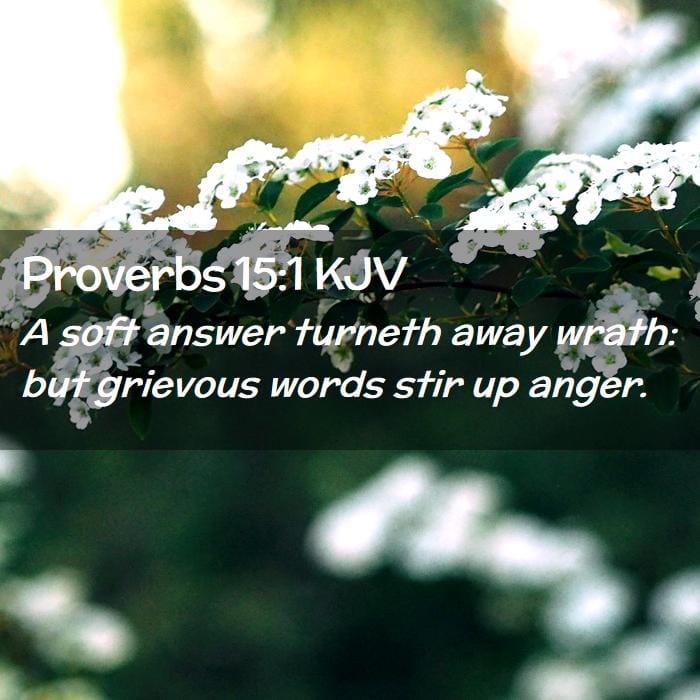

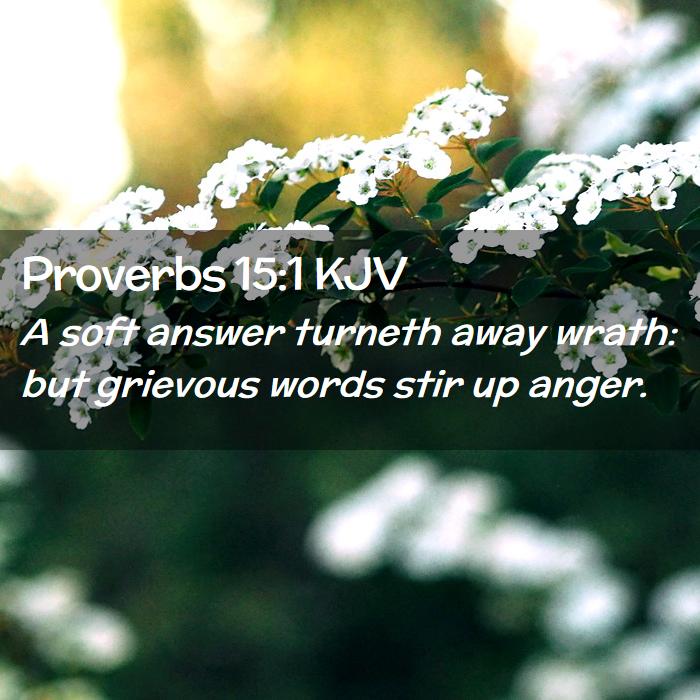
That verse is not only about what is said. It is about the spirit in which it is said.
A soft answer does not mean weak truth.
It means truth delivered with restraint.
Grievous words are not just wrong words. They are painful words — words that stir, inflame, and damage. That often happens through tone as much as through content.
Tone Communicates What Words Sometimes Hide
Sometimes people say, “I didn’t say anything wrong.”
Maybe not in content. But tone often reveals what words try to conceal.
A person may say, “I’m just asking,” while their tone communicates accusation.
They may say, “I’m trying to help,” while their tone communicates superiority.
They may say, “I’m fine,” while their tone communicates anger.
Tone carries emotional meaning.
It tells people whether you are calm or agitated, gentle or annoyed, respectful or dismissive, patient or already halfway gone emotionally.
This is why tone is so powerful. It often reveals the condition of the heart behind the message.
Why Tone Damages So Quickly
Tone destroys trust quickly because it reaches people immediately.
Before they fully process your argument, they already feel your spirit.
They feel whether you are safe.
They feel whether you are irritated.
They feel whether you are trying to understand or simply unload.
And once a person feels attacked, embarrassed, or diminished, their focus often shifts away from the issue and toward self-protection.
At that point, communication becomes much harder.
Now the conversation is no longer just about the problem. It is also about the emotional injury created by the tone.
That is why tone can do so much damage so fast.
Harsh Tone Creates Long-Term Effects
A consistently wrong tone does not just ruin single conversations. It shapes relational atmosphere over time.
People begin to brace around you.
They watch your mood before speaking honestly.
They measure their words carefully.
They avoid bringing up issues.
They stop feeling safe enough to be vulnerable.
This happens in marriage, parenting, friendship, leadership, and work.
Even when someone loves you, repeated tone problems can slowly train them to protect themselves from you.
That is a serious loss.
Because once trust weakens, even healthy communication becomes harder to rebuild.
Tone Often Comes From What Is Unmanaged
If your tone is regularly hurting people, the issue may not just be communication skill. It may be unaddressed inner pressure.
Tone is often shaped by:
- stress
- pride
- irritation
- exhaustion
- unresolved anger
- resentment
- emotional overload
That is why improving tone is not just about sounding nicer. It is about letting God deal with what is rising inside you before it leaks into how you speak.
A sharp tone usually starts in a sharp inner state.
If the heart is tense, the voice often follows.
How to Guard Your Tone
Guarding tone begins before the conversation starts.
Pause before speaking.
Slow your breathing.
Notice your inner state.
Ask yourself whether you are trying to solve the issue or discharge emotion.
Sometimes it helps to ask:
- Would I say this the same way if I were calm?
- Is my tone helping truth land, or making it harder to hear?
- Am I speaking to build, or to win?
- If someone spoke to me this way, would I feel safe?
These questions can prevent a lot of unnecessary damage.
Because often, it is not the truth itself people resist. It is the tone attached to it.
Final Thought
Words matter. But tone often gets there first.
It tells people whether your truth is wrapped in grace or in tension. It reveals whether your heart is steady or stirred. And it plays a major role in whether trust is strengthened or weakened.
So if you want healthier relationships, do not only ask, “Was my message correct?”
Also ask, “Was my tone safe, steady, and honoring?”
Because content may communicate information.
But tone communicates the condition of the heart.
And trust is often lost there first.
Reflection Questions
- Do people tend to react more to my tone than to my actual words?
- When my tone goes wrong, what is usually happening inside me first?
- Have I damaged trust through how I speak, even when my point was valid?
- What would change if I slowed down before speaking difficult truth?
Closing Prayer
Dear Lord,
Please help me guard not only my words, but also my tone. Teach me to speak truth with grace, steadiness, and humility.
Reveal what is happening in my heart before it spills into my voice. Let my speech build trust instead of damage it, and help me reflect Your gentleness in the way I communicate.
In Jesus’ name, amen.