Choosing Peace Without Becoming Passive

Peace is often misunderstood.
Some people think choosing peace means avoiding conflict, staying silent, or letting others treat you however they want.
But biblical peace is not weakness.
It is not pretending everything is fine.
It is not surrendering your boundaries.
It is not refusing to speak when truth needs to be spoken.
💡 Choosing peace means refusing to let conflict control your character.
You can be peaceful and still be clear.
Gentle and still be firm.
Gracious and still say no.
That balance takes wisdom.
Peace Is Something You Pursue
👉 Peace does not always happen naturally, especially when emotions are high.
Scripture says:
Romans 12:18 (KJV)
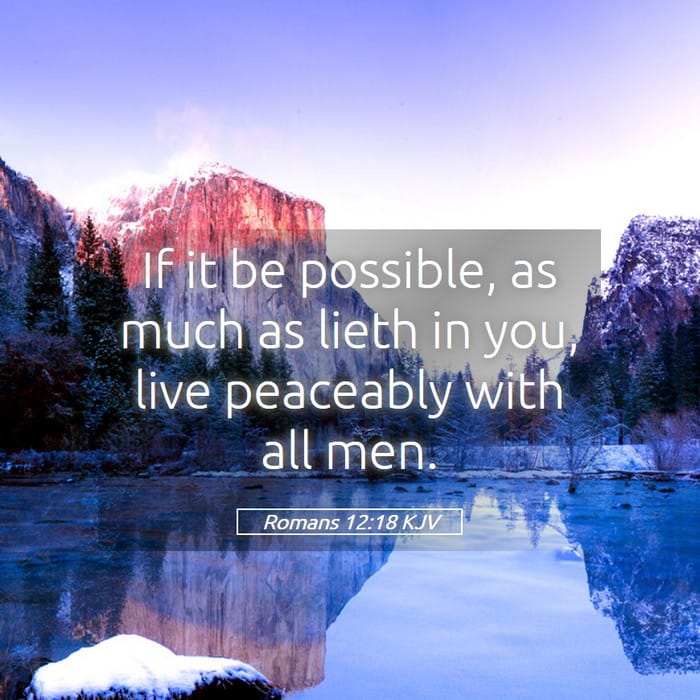
“If it be possible, as much as lieth in you, live peaceably with all men.”
Notice the wording.
“As much as lieth in you.”
👉 You are responsible for your part.
You cannot control whether another person stays calm. You cannot force someone to listen, apologize, or change. But you can decide what kind of spirit you bring into the situation.
Peace begins with asking:
“What can I do here that honors God without compromising what is right?”
Sometimes that means speaking.
Sometimes waiting.
Sometimes forgiving.
Sometimes creating distance.
Peace is not one response. It is a posture.
Peace Does Not Mean Avoiding Truth
A peaceful person is not afraid of difficult conversations.
Avoidance may keep things quiet temporarily, but unresolved issues often grow underneath the silence.
There are moments when love requires honesty.
Scripture gives us the balance:
Ephesians 4:15 (KJV)
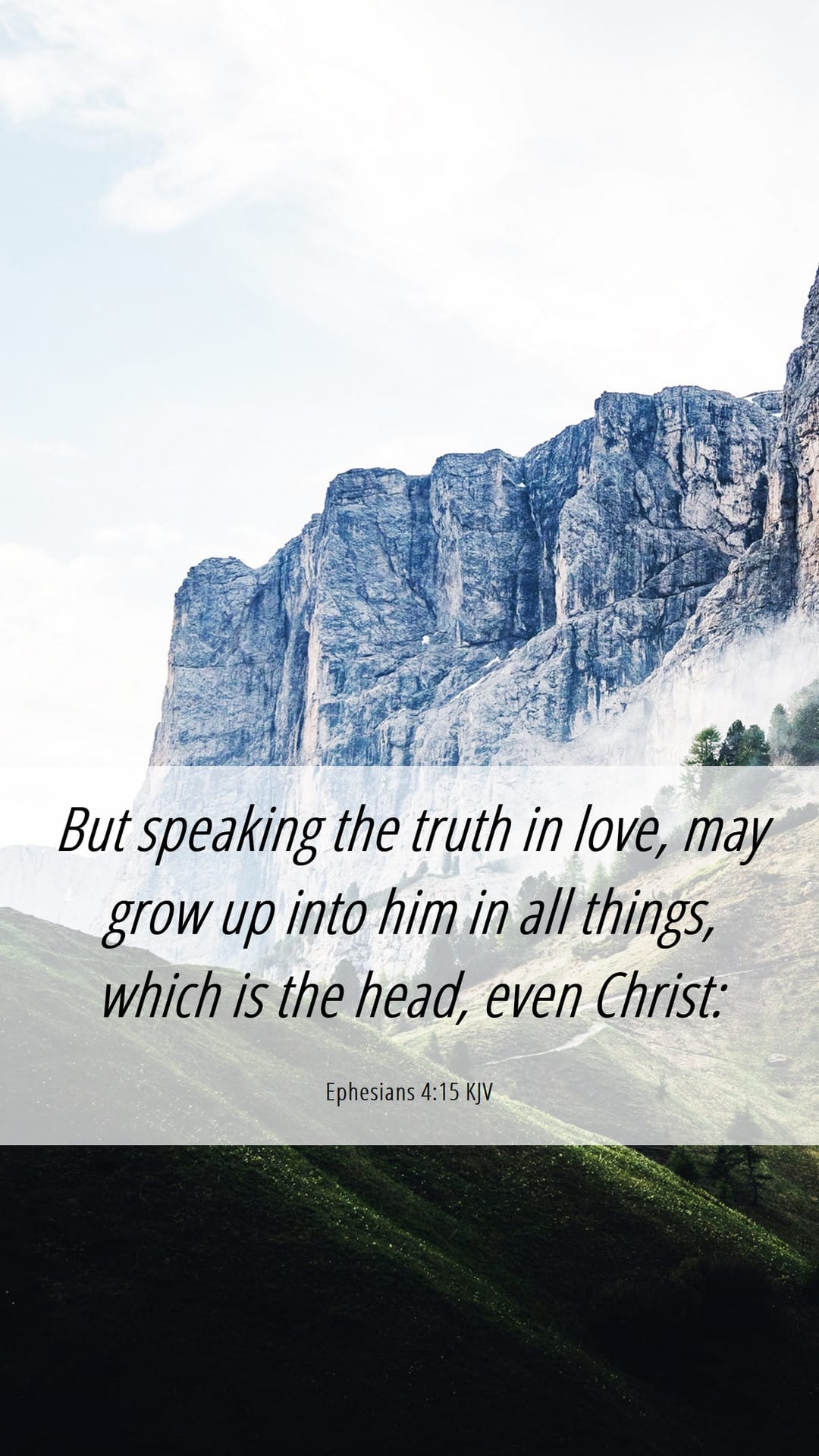
“But speaking the truth in love, may grow up into him in all things, which is the head, even Christ:”
Truth without love can become harsh.
Love without truth can become avoidance.
Maturity brings both together.
You can say:
“That hurt me.”
“I do not think this is healthy.”
“I want to resolve this, but I cannot continue the conversation in this tone.”
Those are peaceful statements.
Peace is not the absence of boundaries. Sometimes boundaries are exactly what peace requires.
Passivity Gives Away Responsibility
Passivity says:
“I will say nothing because I do not want tension.”
Peace says:
“I will respond wisely, even if the conversation is uncomfortable.”
Passivity may allow resentment to grow. You stay quiet outwardly while anger builds inwardly. Eventually, that buried frustration can turn into distance, bitterness, or an explosion.
That is not peace.
Peace deals honestly with what matters while refusing unnecessary escalation.
You Do Not Have to Match Their Energy
One of the hardest parts of choosing peace is resisting the temptation to mirror another person.
They raise their voice, so you raise yours.
They become sarcastic, so you become sharper.
They act disrespectfully, so you decide they deserve the same treatment.
💡 But another person’s behavior does not have to become your standard.
Scripture says:
Romans 12:21 (KJV)
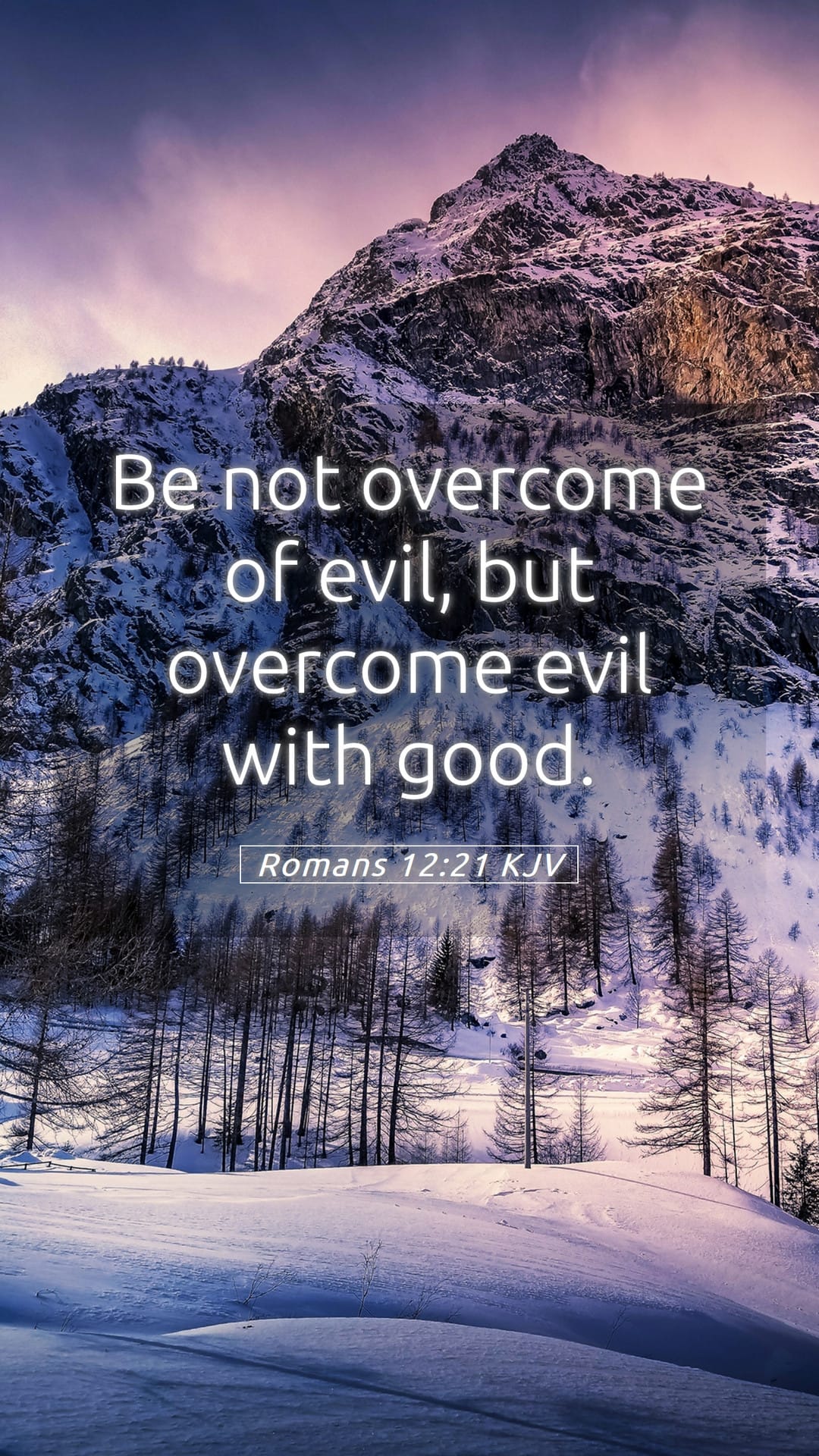
“Be not overcome of evil, but overcome evil with good.”
That is active language.
Choosing good is not passive. It requires strength.
It means saying:
“I will not let your anger create anger in me.”
“I will not let your disrespect choose my character.”
“I will not become what I am trying to confront.”
That is peace with backbone.
Sometimes Peace Requires Distance
Not every conflict can be repaired immediately.
Sometimes the wisest response is to step away.
You may need time for emotions to settle. You may need boundaries with someone who repeatedly creates chaos. You may need to stop participating in conversations that become abusive, manipulative, or consistently destructive.
Creating distance does not automatically mean bitterness.
Sometimes distance protects peace while leaving room for healing.
The goal is not punishment.
The goal is wisdom.
Final Thought
Choosing peace does not mean becoming passive.
It means becoming intentional.
You speak when truth is needed.
You stay quiet when words would only inflame.
You set boundaries without hatred.
You refuse to match another person’s anger.
You do your part without trying to control theirs.
Peace is not weakness.
It is strength governed by wisdom.
And sometimes the most peaceful person in the room is also the strongest one.
Reflection Questions
- Do I confuse peace with avoiding conflict?
- Is there an area where I need to speak truth more clearly?
- Do I tend to match another person’s anger or tone?
- What would peaceful strength look like in one current relationship?
Closing Prayer
Lord, teach me to pursue peace without becoming passive.
Give me courage to speak truth with love, wisdom to know when to step back, and strength not to mirror anger or disrespect.
Help me do my part faithfully while trusting You with what I cannot control. Let my responses reflect both grace and truth.
In Jesus’ name, amen.